Menopause can bring big changes to a woman’s body due to a decline in estrogen. Two major risk factors that menopausal women face are muscle loss and insulin resistance. To prevent these and other health issues, getting enough protein is more important than ever. Protein helps protect and preserve muscle, supports a healthy metabolism, and plays a major role in keeping blood sugar stable and energy levels even.
A plant-based diet can be incredibly supportive during this stage of life and offers many health benefits, including better heart health, improved digestion, and reduced inflammation.
Although many plant-based foods are a great source of protein, you may find some of your favorite meals fall a bit short. That’s where the idea of protein stacking comes in.
Protein stacking simply means layering multiple plant-based protein sources within a single meal, rather than having just one. For example, instead of having only chickpeas in a bowl, you might add quinoa, tofu, and a tahini dressing. Each source adds a little extra protein, and together they can turn a light meal into a truly satisfying, muscle-supporting one.
This post is designed to make it easier than ever to find ways to enjoy high-protein, hormone-supporting meals.
First, you’ll find a breakdown of high-protein plant-based foods so you can see which options give you the biggest return. Then, you’ll see practical, real-life ways to boost the protein in the meals you already eat, from soups and pastas to tacos, scrambles, and even pancakes.
Not sure how much protein you need? You can read about the protein guidelines here that we use to stay healthy after menopause. And as always, it’s a good idea to talk to your doctor before making major dietary changes.
High Protein Plant-Based Options
| Beans & Lentils (per cup cooked) | Protein | Kcals |
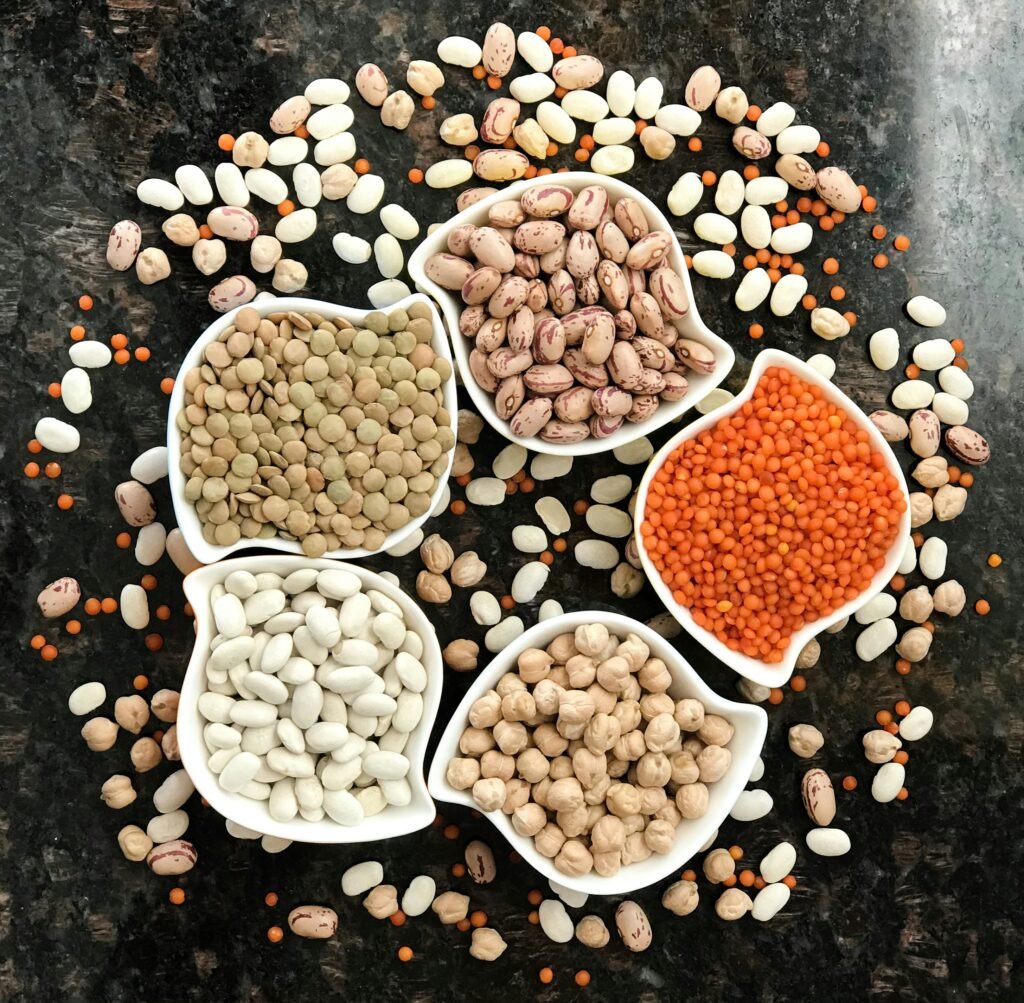
| Lentils (red, green, or brown) | 18 g | 230 |
| Beans (white, black, or pinto) | 14-15 g | 240-250 |
| Chickpeas | 14-15 g | 270 |
| Black-eyed Peas | 13 g | 200 |
| Edamame (shelled) | 18-20 g | 188-200 |
| Chickpea Pasta | 11-14 g | 190-250 |
| Lentil Pasta | 14-18 g | 170-220 |
Grains (per cup cooked) | Protein | Kcals |
| Quinoa | 8 g | 222 |
| Amaranth | 9 g | 250 |
| Farro | 6-7 g | 170-200 |
| Oats | 5-6 g | 160-170 |
| Buckwheat | 6 g | 155 |
| Soy Protein (per cup) | Protein | Kcals |
| Extra-Firm & Firm Tofu | 24-34 g | 260-280 |
| Silken Tofu | 17 g | 150 |
| Tempeh | 31-34 g | 320 |
| Soy Milk | 8-9 g | 90-110 |
| Soy Yogurt | 5-7 g | 140-150 |
| TVP (Textured Vegetable Protein cooked) | 20-24 g | 160-180 |
| Seeds & Nuts (per serving) | Protein | Kcals |
| Chia Seeds (2 tbsp) | 3-4 g | 100 |
| Ground flaxseeds (2 tbsp) | 3-4 g | 80 |
| Hemp Seeds (3 tbsp) | 7-10 g | 160 |
| Pumpkin Seeds (shelled) (¼ cup) | 9 g | 170 |
| Sliced Almonds (¼ cup) | 6-7 g | 150-170 |
| Chopped walnuts (3 tbsp) | 3-4 g | 145 |
| Cashews (¼ cup) | 5-6 g | 170 |
| Peanut or Almond Butter (2 tbsp) | 7-8 g | 190 |
| Sunflower Seed Butter (2 tbsp) | 5-7 g | 200 |
| Tahini (2 tbsp) | 5-6 g | 180-200 |
| Other Sources (per serving) | Protein | Kcals |
| Seitan (3 ounces) | 21 g | 120 |
| Plant-based Protein Powder (1-2 scoops) | 15-25 g | 90-150 |
| Nutritional Yeast (2 tbsp) | 5-8 g | 40-60 |
Nutrition values are approximate and based on typical cooked portions unless otherwise noted. Calories and protein vary by brand, variety, and preparation method.
Protein Boosters By Recipe Type
Knowing which foods are higher in plant-based protein is helpful, but the real magic happens when you know how to actually use them in everyday meals. That doesn’t mean you have to eat “protein foods” separately or overhaul your entire way of cooking. With a few simple add-ins and swaps, you can turn the meals you already love into more balanced, satisfying, muscle-supporting plates.
Below, you’ll find easy ways to boost the protein in common recipe types. Think of these as mix-and-match ideas, not rigid rules. Even adding one protein booster per meal can make a meaningful difference for blood sugar stability, fullness, and muscle support during midlife and beyond.
Soups and Stews
Boost the protein with:

Lentils, white or black beans, quinoa (or other grains), silken tofu, hemp seeds, pumpkin seeds, nutritional yeast

How to use:

Legumes: Stir in 1 cup of cooked lentils or beans of any type.
Grains: Add 1 cup of cooked quinoa or other grains.
Soy: For cream-based soups or stews, blend in 8 ounces or more silken tofu.
Seeds: Sprinkle hemp seeds or pumpkin seeds over the food upon serving.
Other: Nutritional yeast adds a bit of a cheesy flavor. Add a couple tablespoons directly to the soup or stew, or sprinkle it upon serving.
Grain Bowls and Salads
Boost the protein with:

Chickpeas, black-eyed peas, edamame, lentils, beans, quinoa, amaranth, tofu, tempeh, hemp seeds, pumpkin seeds, nuts, tahini

How to use:

Legumes: Sprinkle ¼-½ cup canned or cooked beans, lentils, chickpeas, black-eyed peas, or shelled edamame.
Grains: Add ½ cup cooked quinoa or amaranth for extra grains.
Soy: Top with 3-4 ounces of cooked tofu or tempeh cut in cubes and well-seasoned.
Seeds & Nuts: Drizzle a tablespoon or two of tahini or tahini-based dressing. Sprinkle a tablespoon of seeds or nuts of any kind.
Pasta and Casseroles
Boost the protein with:

White beans, chickpeas, chickpea or lentil pasta, firm tofu, tempeh, silken tofu, hemp seeds, pumpkin seeds, seitan, nutritional yeast

How to use:

Legumes: Stir a cup of white beans or chickpeas into the sauce. Use chickpea or lentil pasta for the noodles.
Soy: Add crumbled tofu (previously cooked and seasoned) to any pasta sauce or casserole. Top pasta with small chunks of firm tofu or tempeh seared in olive oil and seasonings. Blend silken tofu into cream-based sauces for pasta or casseroles.
Seeds: Sprinkle hemp seeds or pumpkin seeds over pasta or casserole upon serving.
Other: Seitan can be used as a meat substitute for pasta and casseroles. For a cheese-like flavor, stir a few tablespoons of nutritional yeast into sauces, or sprinkle it over food upon serving.
Smoothies
Boost the protein with:

Oats, soy milk, soy yogurt, silken tofu, chia seeds, ground flaxseeds, peanut or almond butter, sunflower seed butter, plant-based protein powder

How to use:

Grains: Add 2 - 4 tablespoons of rolled oats directly to the other ingredients in the blender. Optionally, blend the oats alone into a powder first, creating a smoother texture.
Soy: Use soy milk instead of water or other plant milks to boost the protein. Add ½ cup of soy-based yogurt of any flavor.  ¼-½ block of silken tofu into the blender with fruit and other ingredients.
Seeds & Nuts: To the blender, spoon in chia seeds (1 tbsp), ground flaxseeds (1-2 tbsp), or up to 2 tbsp of nut or seed butter.
Other: Incorporate 1-2 scoops of any flavor high-quality protein powder for a huge protein boost.
Oatmeal and Breakfast Bowls (not savory)
Boost the protein with:

Soy milk, soy yogurt, chia seeds, ground flaxseeds, sliced almonds, chopped nuts, peanut or almond butter, sunflower seed butter, plant-based protein powder

How to use:

Soy: Use soy milk instead of water or other milks to boost the protein. Stir in ¼ cup soy yogurt of any flavor.
Seeds & Nuts: Sprinkle on top or stir in chia seeds (½-1 tbsp), ground flaxseeds (1-2 tbsp), sliced almonds, or chopped nuts. Drizzle or mix 1-2 tablespoons of nut or seed butter.
Other: Mix in ½-1 scoop high-quality protein powder.
Stir-fries and Sautés
Boost the protein with:

Edamame, tofu, tempeh, seitan, chickpeas, black beans, hemp seeds, pumpkin seeds, cashews, peanuts

How to use:

Legumes: Add ½–1 cup shelled edamame, chickpeas, or black beans directly to the pan near the end of cooking.
Soy: Use 3–5 ounces of extra-firm tofu or tempeh, cubed and pan-seared until golden before adding vegetables and sauce.
Other: Seitan works great sliced or chopped and sautéed like a stir-fry protein.
Seeds & Nuts: Sprinkle 1–2 tablespoons of hemp or pumpkin seeds on top before serving, or toss in a small handful of cashews or peanuts for extra protein and texture.
Curries
Boost the protein with:

Lentils, chickpeas, tofu, tempeh, edamame, silken tofu, cashew butter, peanut butter, hemp seeds

How to use:

Legumes: Stir in ¾–1 cup cooked lentils or chickpeas while the curry simmers.
Soy: Add cubed firm tofu or tempeh directly to the curry, or blend silken tofu into the sauce to make it creamier and higher in protein.
Nuts & Seeds: Whisk 1–2 tablespoons of cashew or peanut butter into the sauce for richness and a protein boost. Sprinkle hemp seeds on top before serving.
Tacos and Burritos
Boost the protein with:

Black beans, pinto beans, lentils, tofu, tempeh, seitan, soy yogurt, hemp seeds, pumpkin seeds, nutritional yeast

How to use:

Legumes: Use ½–1 cup seasoned black beans, pinto beans, or lentils as a base filling or mixed with veggies.
Soy: Crumble and sauté tofu or tempeh with taco seasoning, or use sliced seitan as a meat-style filling.
Toppings: Add a dollop of soy yogurt instead of sour cream, sprinkle on hemp or pumpkin seeds, or dust with nutritional yeast for a cheesy, savory boost.
Burgers and Sandwiches
Boost the protein with:

Black beans, lentils, chickpeas, tofu, tempeh, seitan, hummus, nut or seed butters, hemp seeds

How to use:

Legumes: Build patties using mashed black beans, lentils, or chickpeas, or add them to veggie burger mixtures.
Soy & Other Proteins: Use baked or grilled tofu, tempeh, or seitan slices as the main sandwich filling.
Spreads & Toppings: Spread hummus or a thin layer of nut or seed butter on bread or buns, and sprinkle hemp seeds into slaws or veggie toppings.
Pizza and Flatbreads
Boost the protein with:

Chickpeas, white beans, tofu, tempeh, seitan, vegan sausage, nutritional yeast, hemp seeds

How to use:

Legumes: Scatter chickpeas or white beans over the sauce before baking.
Soy & Other Proteins: Add seasoned, baked tofu or tempeh cubes, or thinly sliced seitan, as pizza toppings.
Other: Stir a few tablespoons of nutritional yeast into the sauce or sprinkle it over the pizza before or after baking. Finish with a sprinkle of hemp seeds if you want an extra boost.
Scrambles and Hashes
Boost the protein with:

Tofu, tempeh, black beans, chickpeas, lentils, edamame, nutritional yeast, hemp seeds

How to use:

Soy: Use crumbled firm tofu as the base for scrambles, or add diced tempeh to potato or veggie hashes.
Legumes: Stir in ½ cup beans, lentils, or edamame for extra staying power.
Other: Season with nutritional yeast for a savory, eggy flavor, and sprinkle hemp seeds on top before serving.
Pancakes, Waffles, and Crepes
Boost the protein with:

Oats, soy milk, soy yogurt, silken tofu, chickpea or lentil flour, nut or seed butters, hemp seeds, protein powder

How to use:

Batter Boosters: Use soy milk instead of other plant milks. Add ¼ cup soy yogurt or a few tablespoons of blended silken tofu to the batter for extra protein and moisture.
Flours: Replace part of the flour with chickpea or lentil flour, or add blended oats.
Other: Mix in ½–1 scoop protein powder if desired.
Toppings: Finish with nut or seed butter and a sprinkle of hemp seeds instead of (or alongside) syrup.
Remember, this doesn’t mean you have to completely revise every meal you make. This list is meant to give you simple ideas that require very little effort. Small, gentle upgrades, like adding tofu to a stir-fry, blending soy yogurt into a smoothie, or sprinkling seeds on a bowl, can make a meaningful difference over time.
Think of this list as a toolbox, not a set of rules. Use what you enjoy. Start where you are. Build from there.
If you’d like some delicious, real-life examples of how this looks in practice, you can explore our Balanced by Plants recipes here, where you’ll find plant-based, protein-forward meals designed to support strength, metabolism, and sustainable fat loss without giving up the joy of eating!💚